A hundred and twenty years,
and a handful of hands
A genuine 1903 homestead in the Southern Highlands — kept whole, and passed gently on.
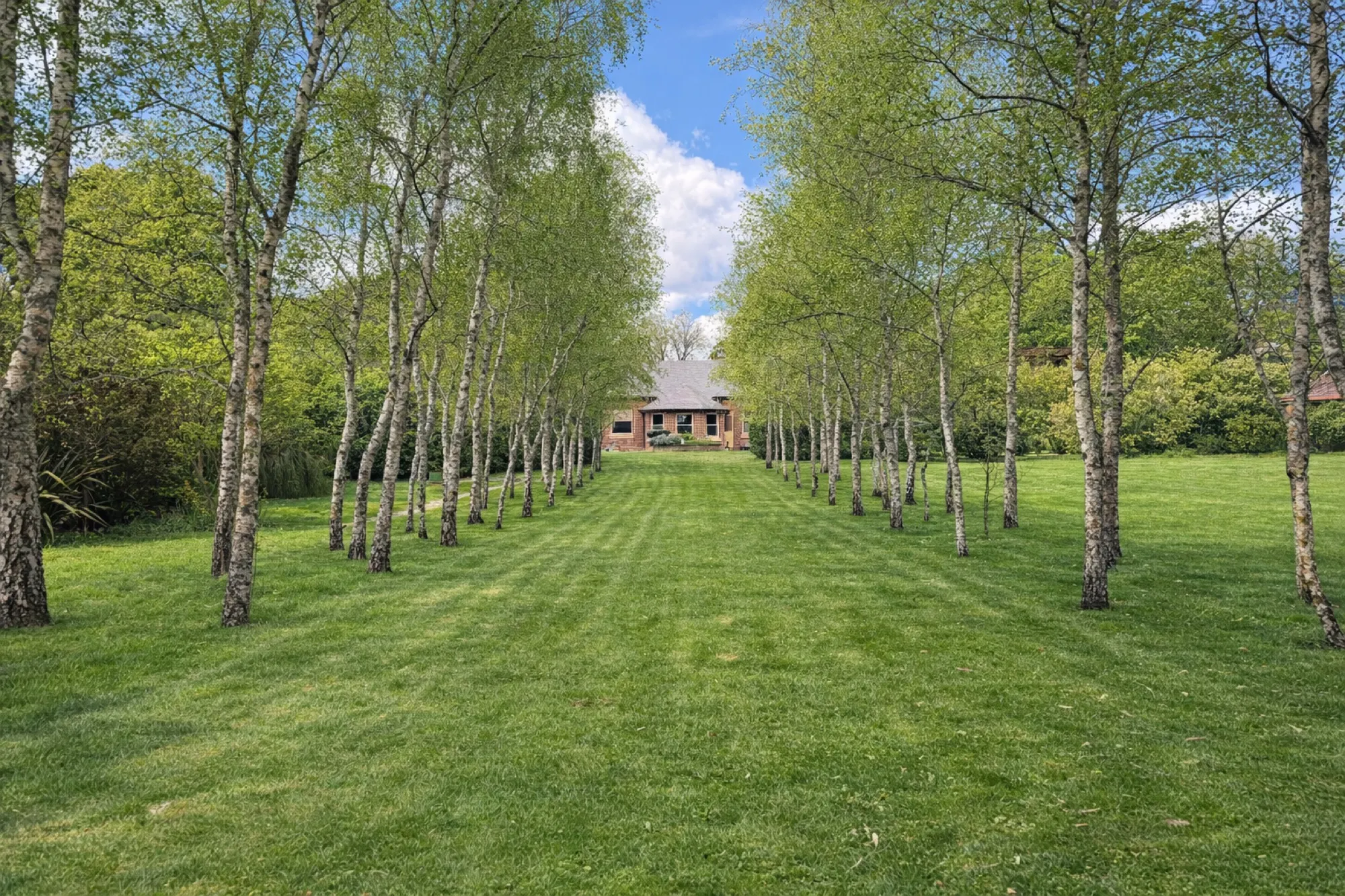
Some houses announce themselves; this one waits at the end of an avenue and lets you arrive. Ninety minutes south of Sydney, where the Southern Highlands cools into oak and birch and long green lawns, sits a Federation Queen Anne homestead built in 1903 — and, rare for a house of its age, still whole. It has been held and loved, unbroken, ever since.
What is rare here is not only the architecture, though the architecture is rare. It is the continuity. Most country properties change hands a dozen times in a century and lose a little of themselves at each turn. This one has been held by barely a handful of families in more than a hundred and twenty years — each of them, in their way, a custodian rather than an owner.
Built as a flourish, in 1903
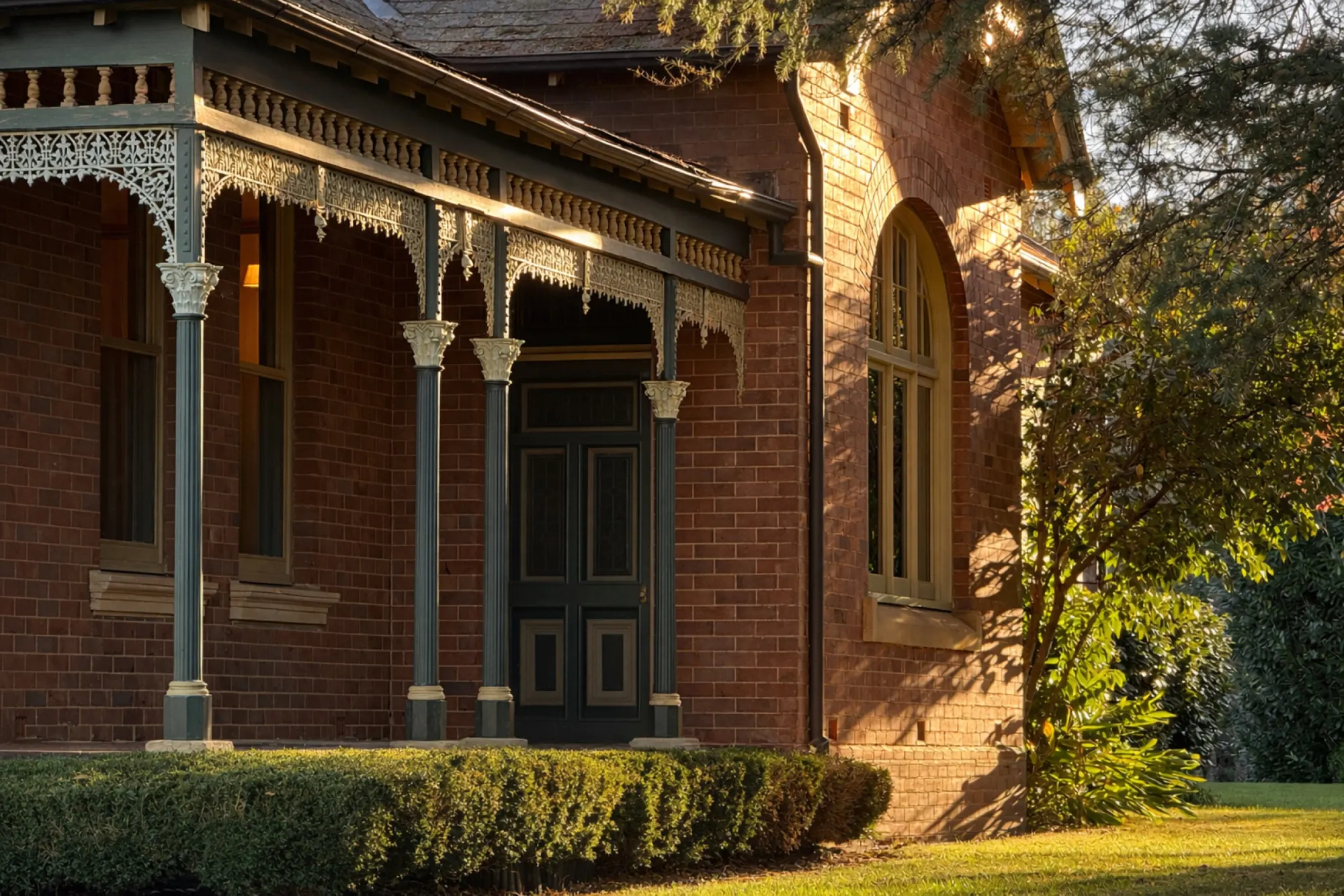
The house went up in 1903 for Denis Sheil, a local dairy farmer whose uncle happened to be James Tyson — the Queensland cattle baron reckoned to be Australia's first millionaire. With his share of that fortune, Denis built without counting the cost, and hired one of the district's finest builders, Alfred Stephens of Bowral, to do it.
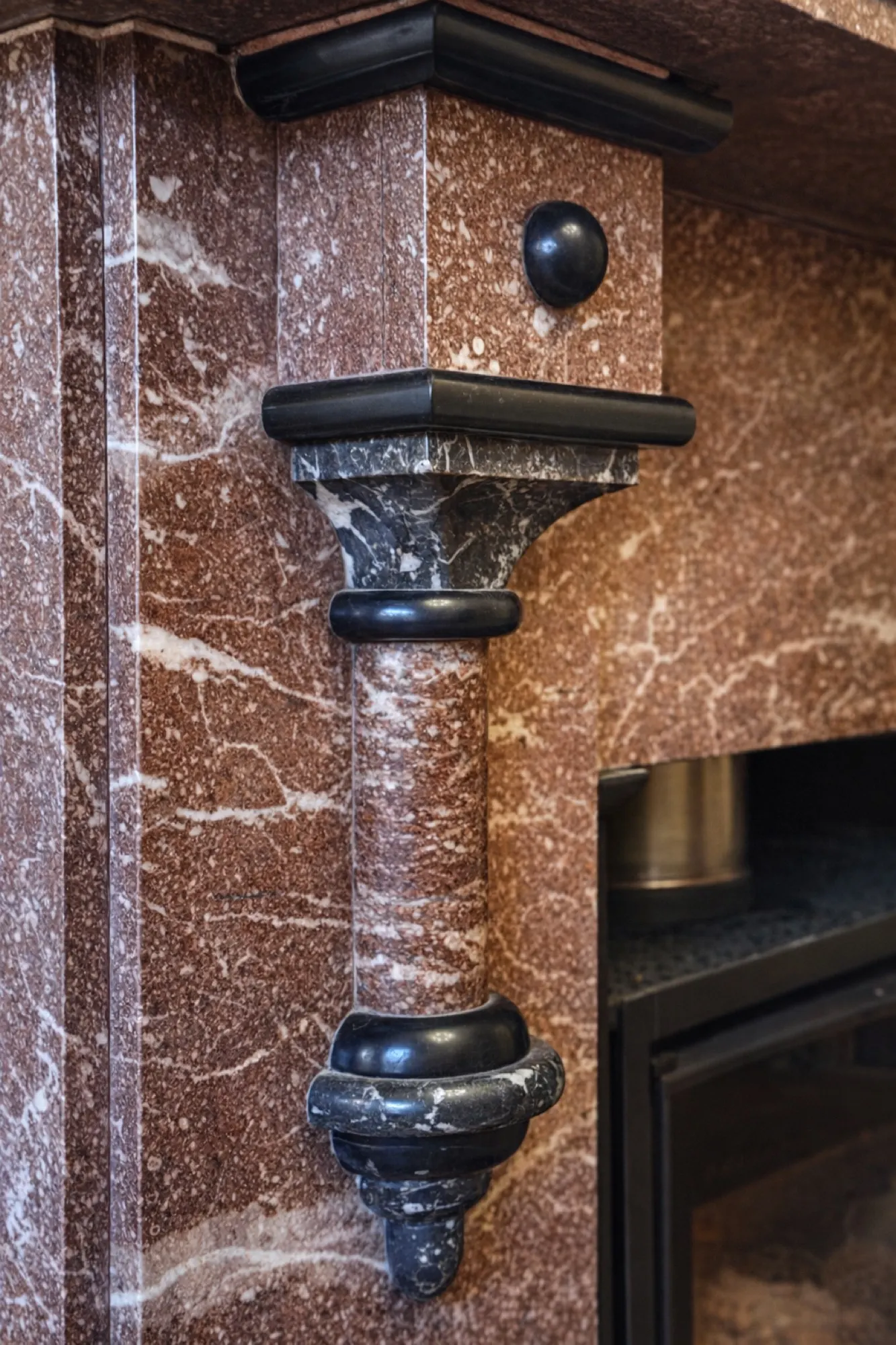
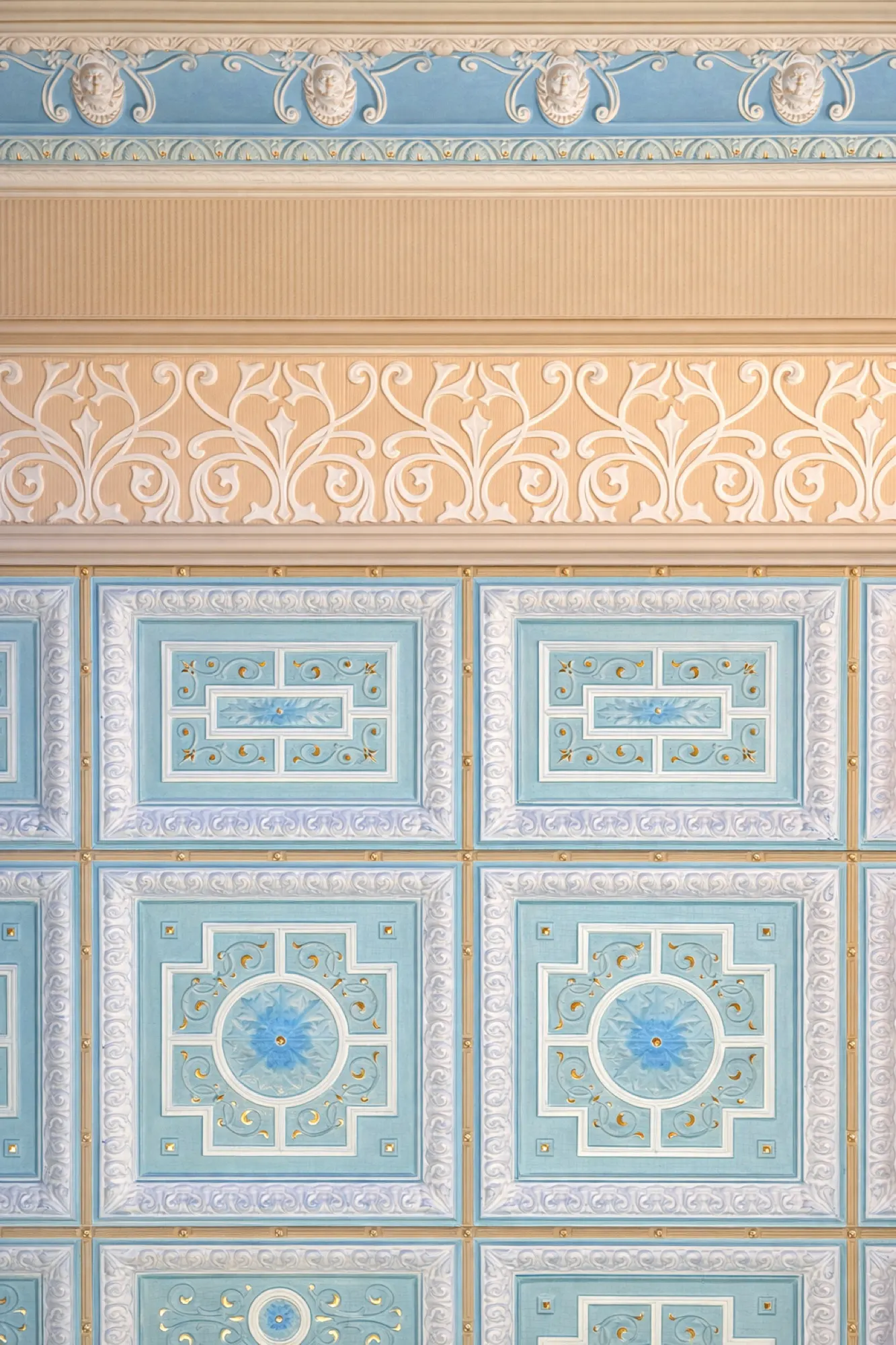
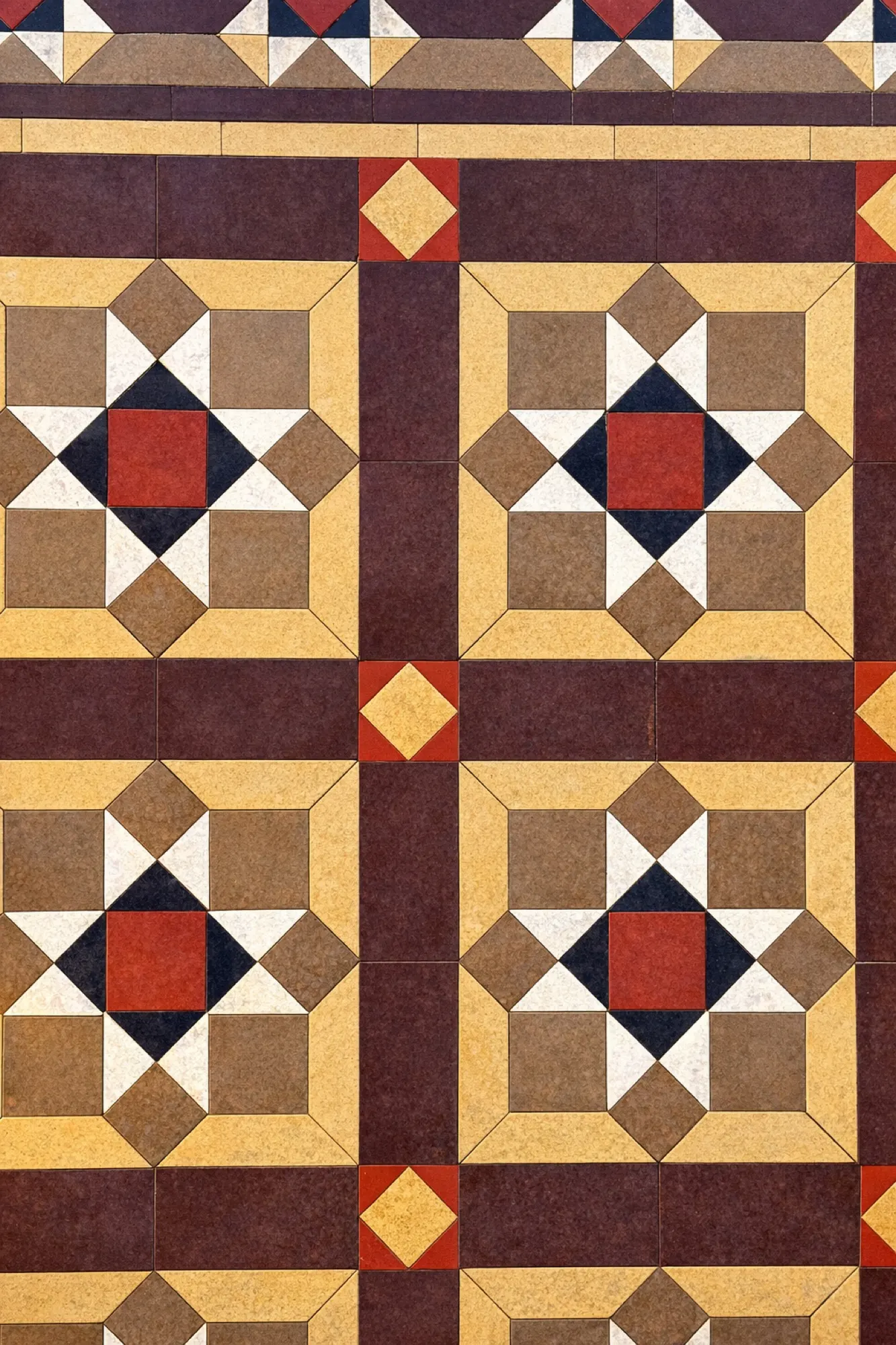
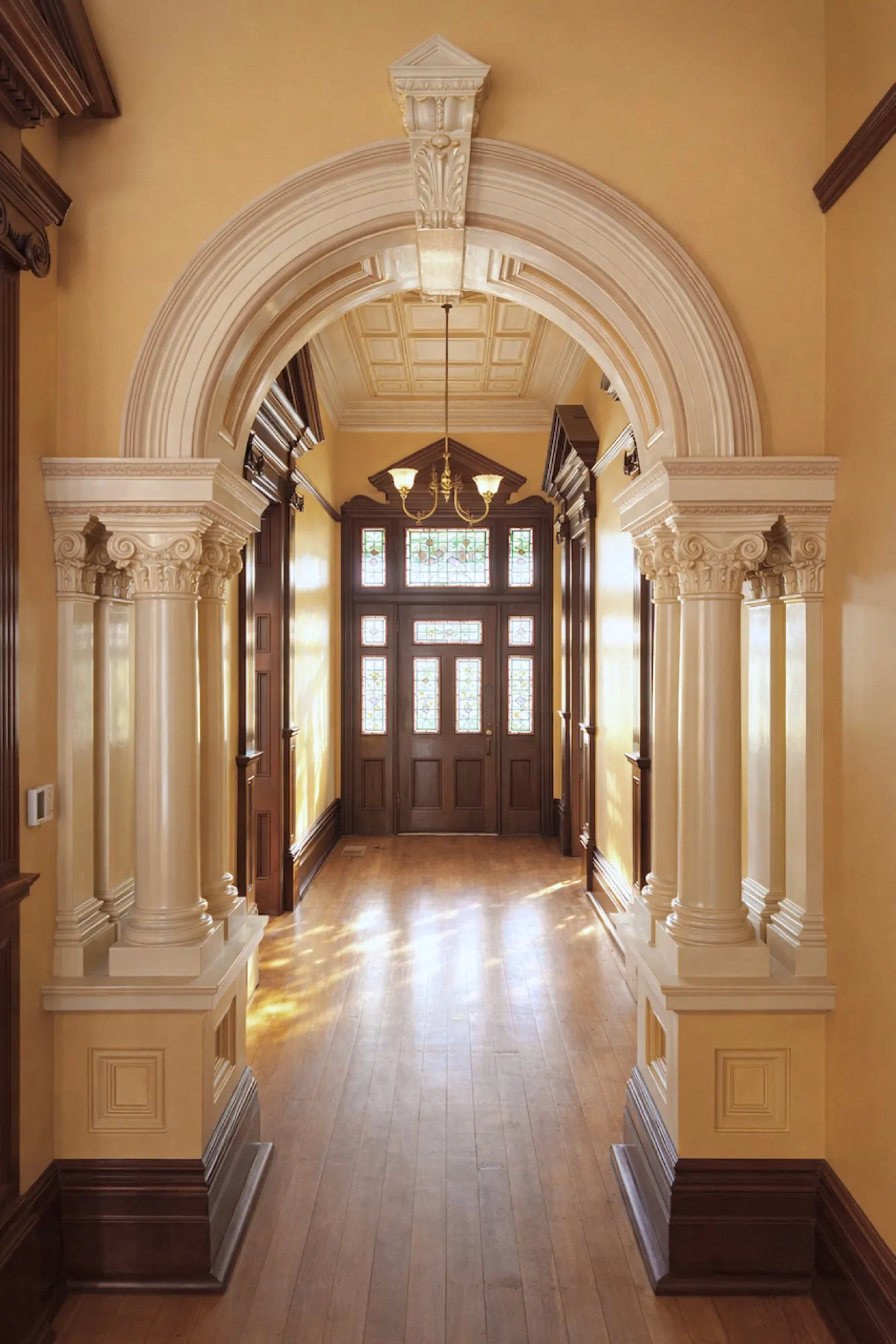
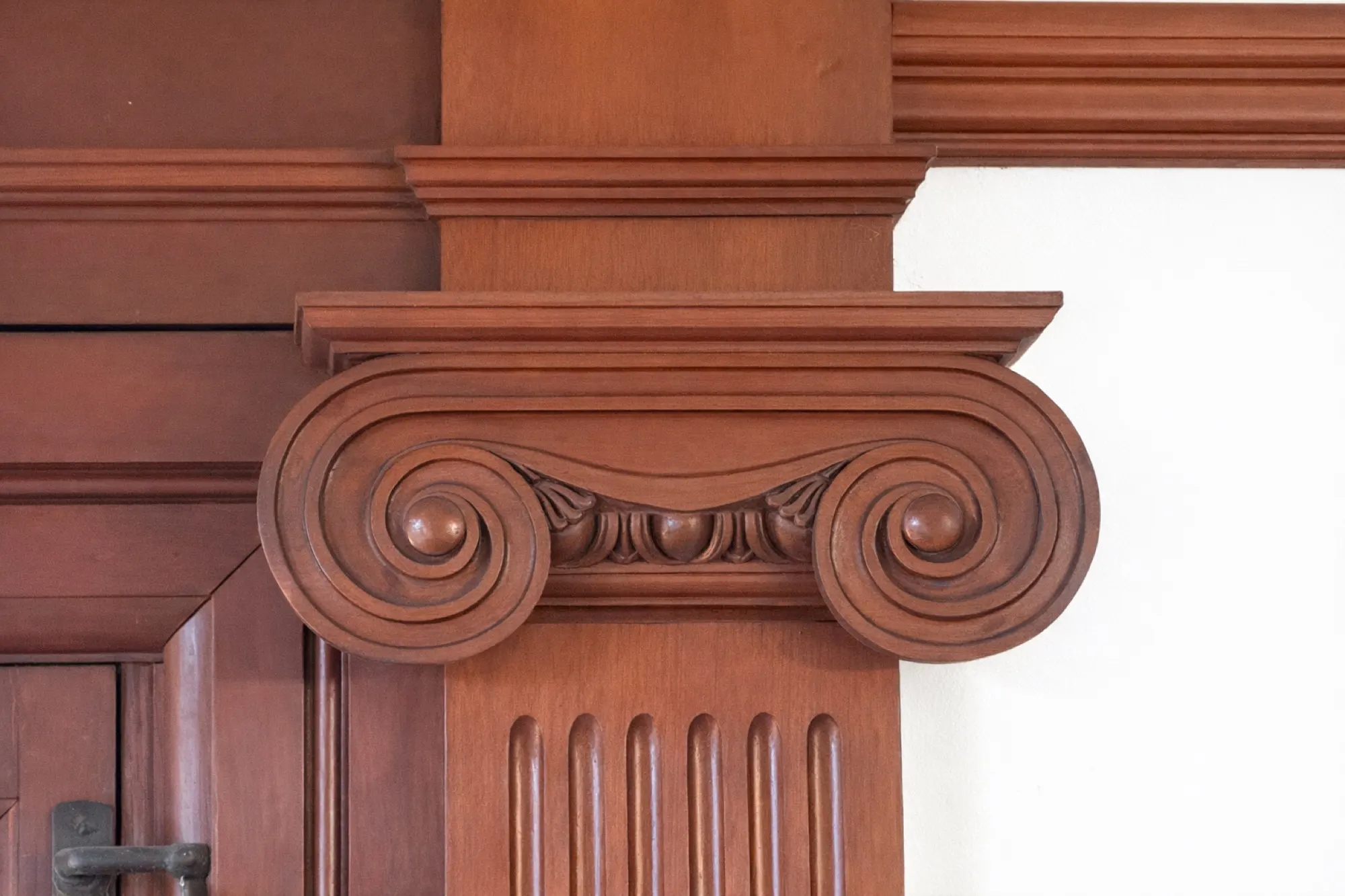
Nothing about it was ordinary, and little of it has changed. Double brick beneath Welsh slate; cedar joinery and Kauri floors; marble fireplaces in every principal room, Wunderlich pressed-metal ceilings above them, tessellated tiles underfoot and a long ribbon of stained glass down the hall. Much of it had crossed oceans to get here — slate split in the quarries of North Wales, Kauri milled in New Zealand, marble carried in by ship and then hauled the last mile from the railway. An extraordinary amount of freight for a house in the country, in 1903.
There are quiet flourishes, too, for anyone who goes looking — among them an original servants' bell system, a run of labelled bells wired through the walls, so a pull on a cord in the drawing room would set the right one ringing back in the kitchen. Denis gave the house its name as well: Whare Tau, “our home,” said fah-reh toh — a name every family since has chosen to keep.
“No expense was spared — the finest materials of the day, ordered in for a country house built to last a hundred years, and then some.”
A handful of hands, and one long thread
The list of names is short enough to hold in the mind. The Sheils, who built it and named it. A Rose Bay pharmaceutical chemist, William Mason, who kept it quietly through the post-war years. Then the Meek sisters — Kathleen and Irene, daughters of Sir Joseph Meek of the soap-and-candle firm Lever & Kitchen — one of whom, Irene Hope Meek, lived here for nearly thirty years and, in her other life, founded the Brownies in Australia and served as Patron of the Girl Guides. The Smiths, who spent a generation putting it right. And, today, the family who have taken up the same quiet obligation.
Older still, out on the grounds, stands a rare timber corn staddle from the 1860s — a grain store raised on capped posts to keep the rodents out, one of only about three left in the country. It predates the house, the garden, all of it: the first thing to arrive, and never once asked to leave.
Made by hand by the best of its day.
A garden to use, and a place to exhale
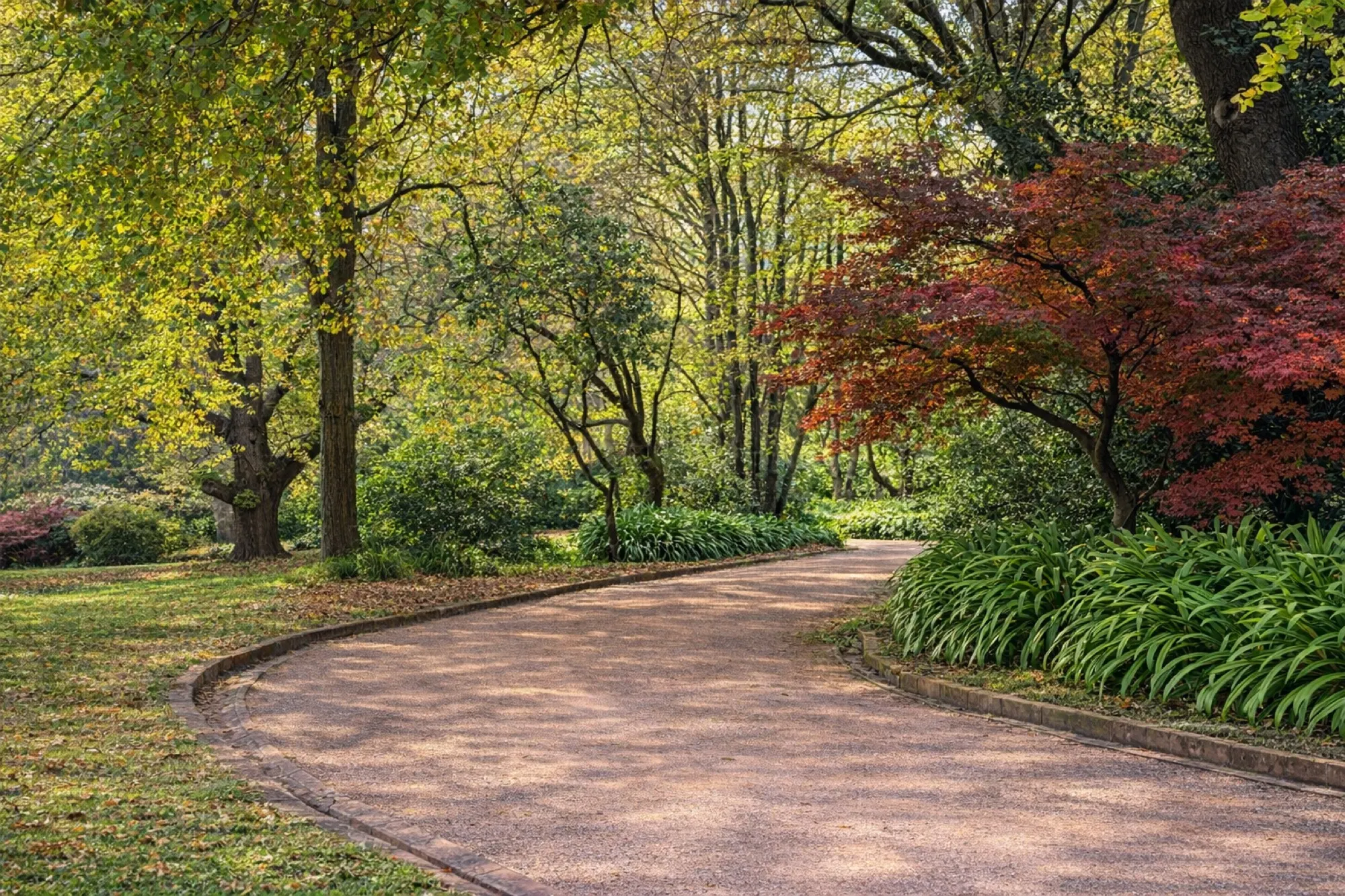
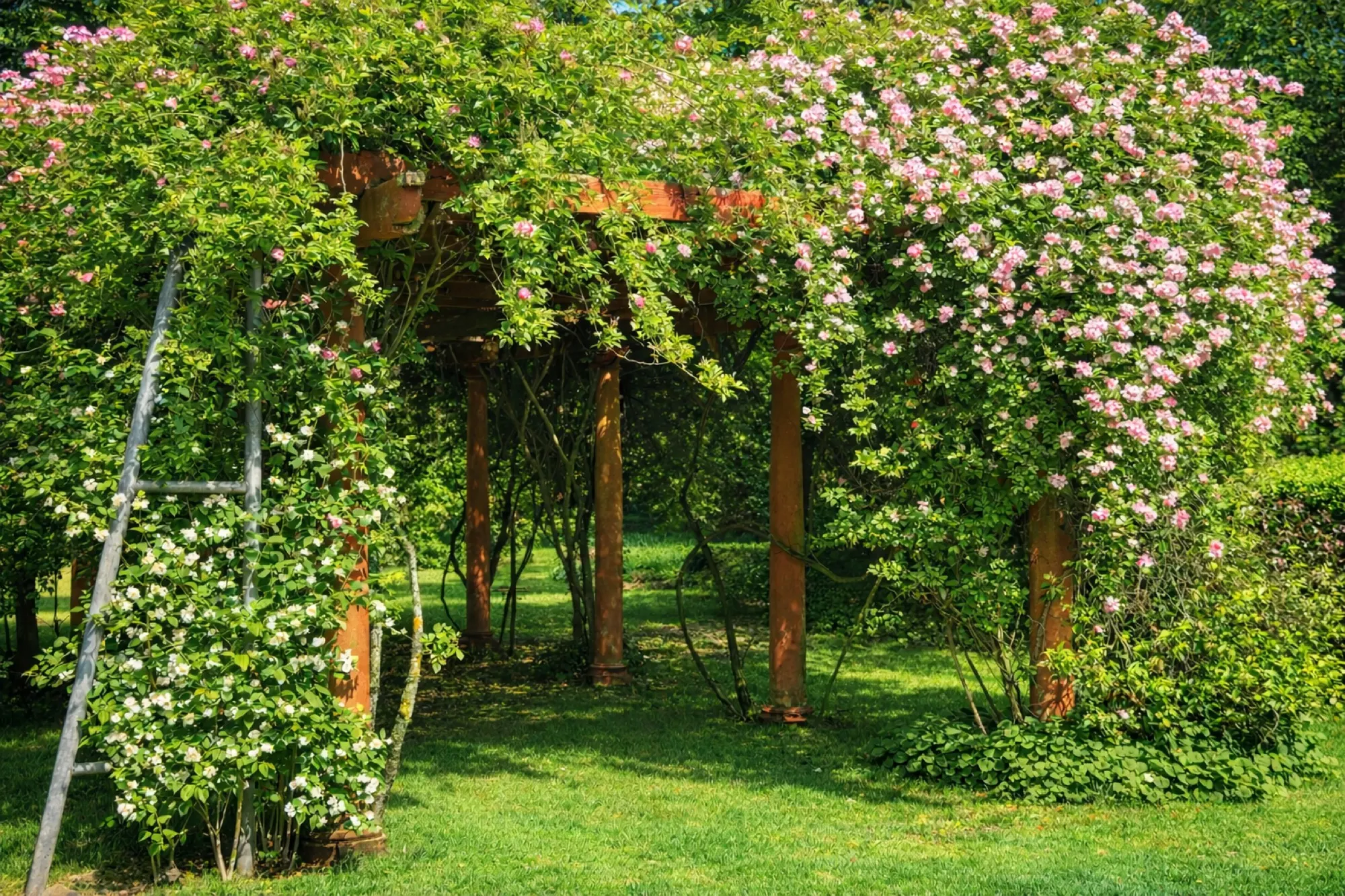
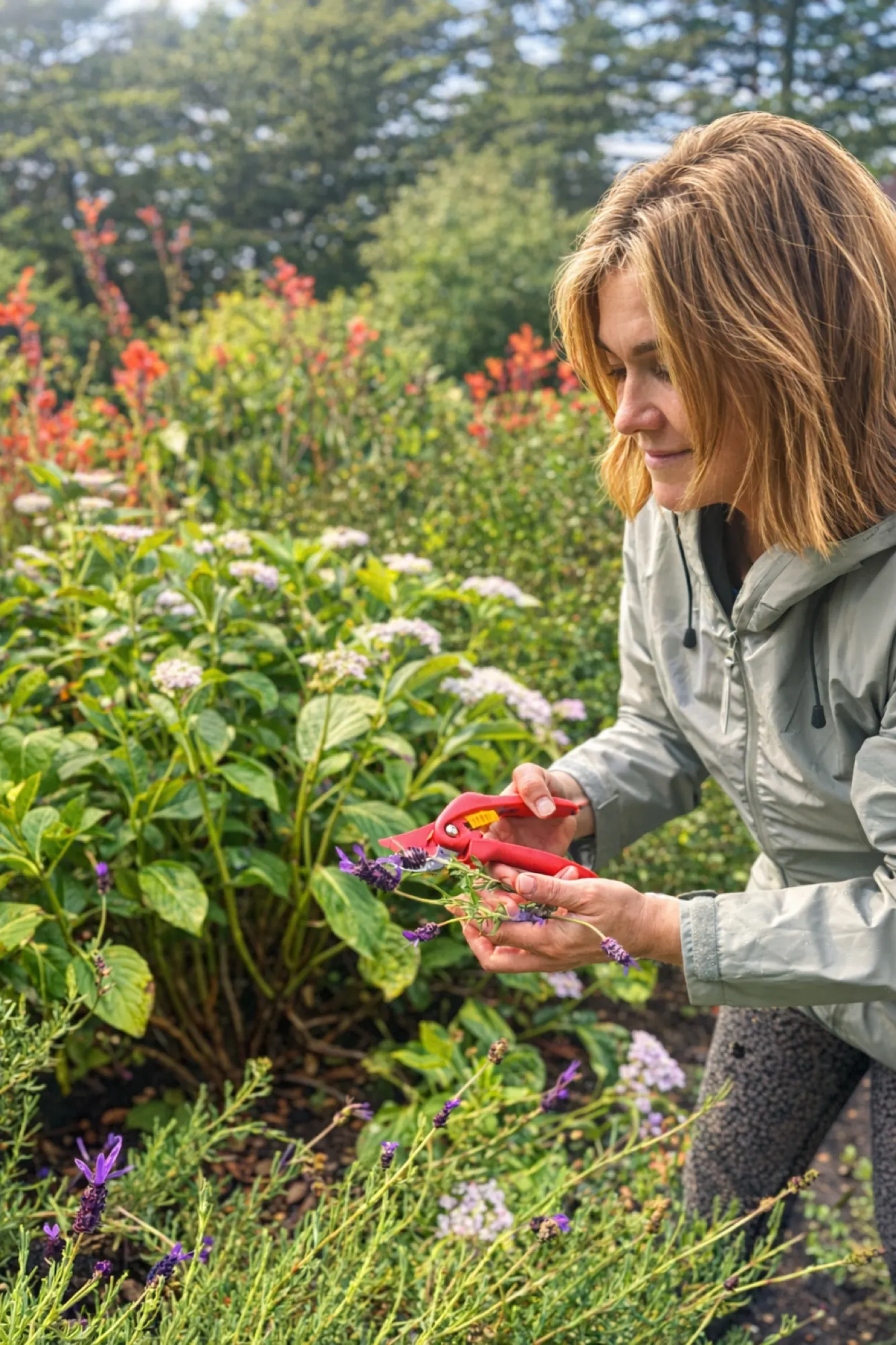
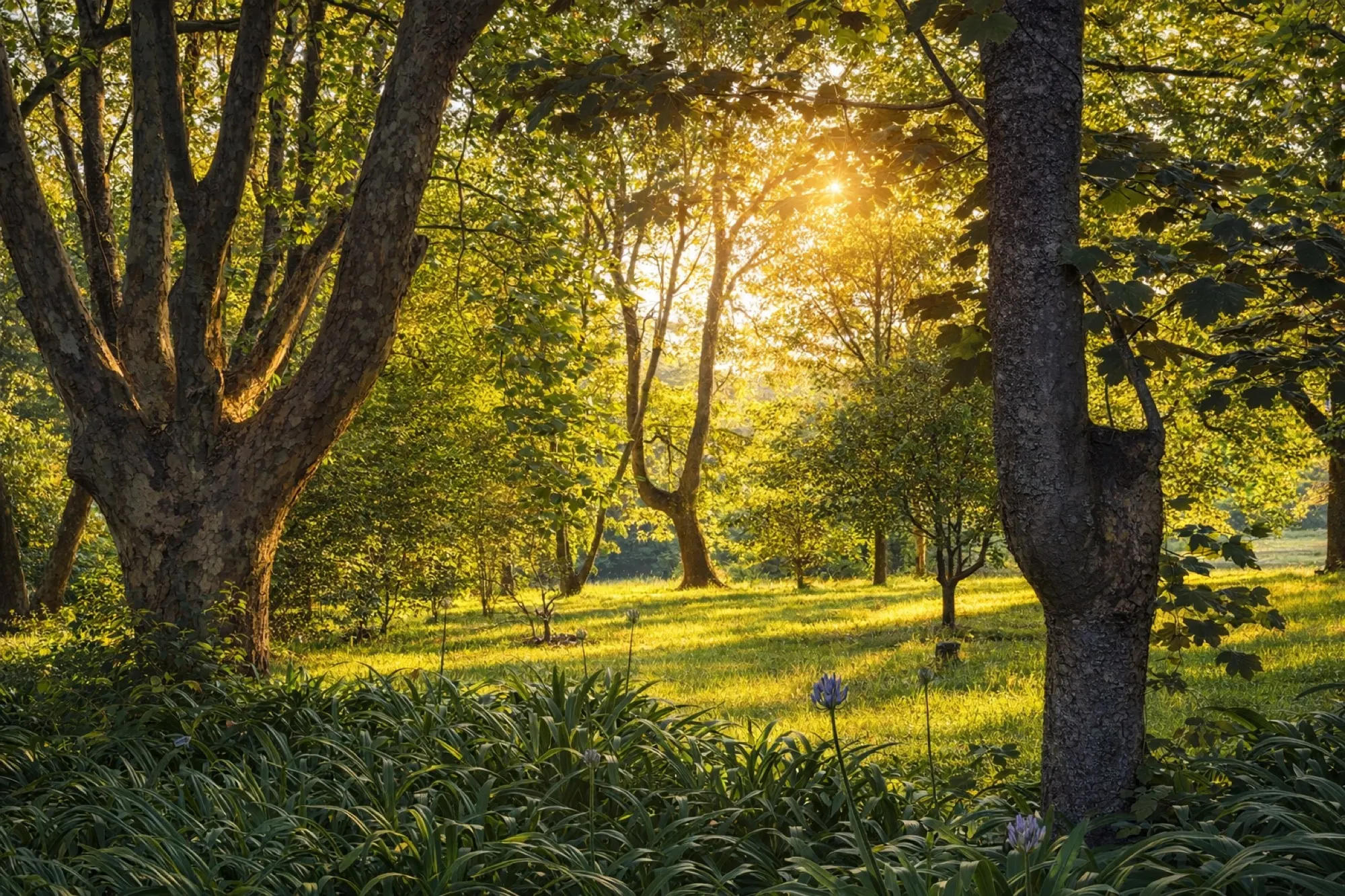
A garden this size is never finished. What the Smiths planted, the present family keep — pruned, picked and walked, week after week. Six acres of mature oaks and cedars, a rose garden and a wisteria arbour, a line of poplars and an avenue of silver birch, an orchard and a kitchen garden that still earns its keep in citrus, rhubarb, herbs and armfuls of cut flowers for the house.
And around it, the Highlands do the rest. Ninety minutes from Sydney and a world away — cool clear mornings, four real seasons, the light going gold at each end of the day. People come for the architecture and remember the quiet: the sense of having landed somewhere that still belongs to its own history, where the phone falls silent and the days slow to the pace of the country.
Denis Sheil called the house Whare Tau — “our home” — and for a hundred and twenty years, through every family, that name has been kept unbroken. We share it now as Seven Oaks, for the ring of oaks planted with the house and standing tall still, the acorn motifs in the cedar joinery; but the promise of Our Home has not changed. National Trust classified and one of a kind, it is still, quite simply, a home — and for a little while, it can be yours.